Student Recreation Area
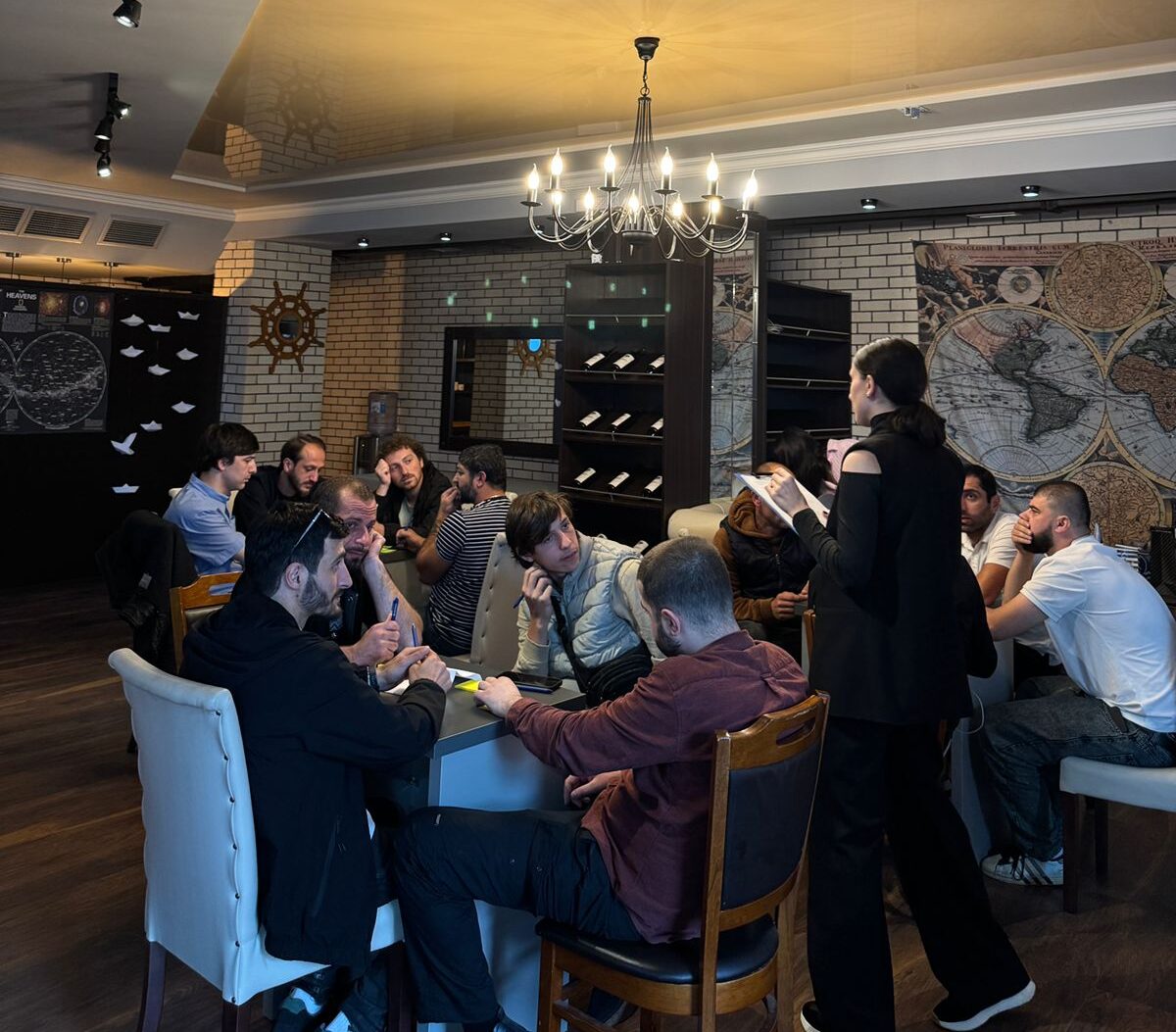
The student recreation area is intended for students and trainees to rest, communicate and engage in informal interaction between learning activities. This environment contributes to the creation of a friendly, supportive and comfortable atmosphere.
The recreation area gives students the opportunity to relax, communicate with one another, plan learning activities and feel part of the College’s overall environment. The availability of comfortable support spaces is important both for the quality of the learning process and for students’ everyday experience.
Read More
Simulation-Based Learning Space
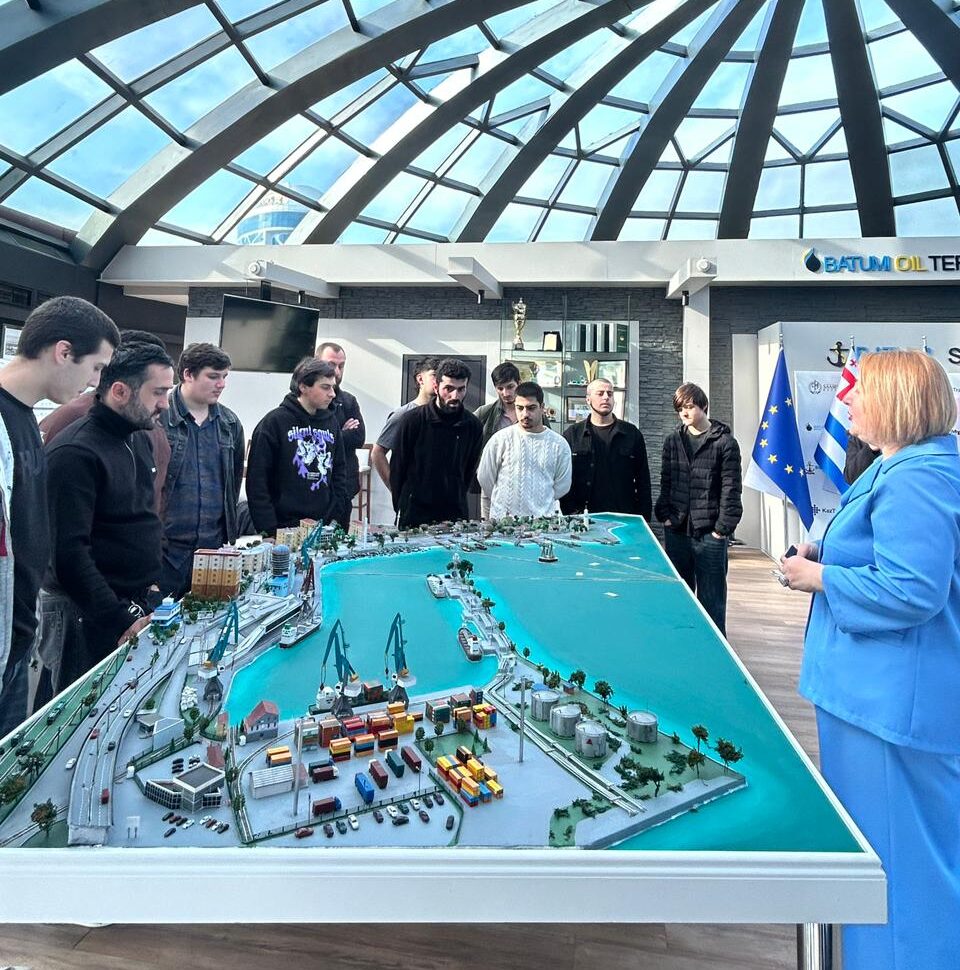
The simulation-based learning space is one of the College’s important learning environments, where teaching is carried out in conditions close to real working situations. Simulation-based learning gives students the opportunity to develop decision-making, observation, analysis and professional action skills in a safe environment.
This space supports the understanding of practical cases, the analysis of mistakes and the development of proper professional behaviour. Simulation-based learning is particularly effective in areas where prior preparation for real situations and the consistent performance of actions are essential.
Read More
Theoretical Learning Environments A and B
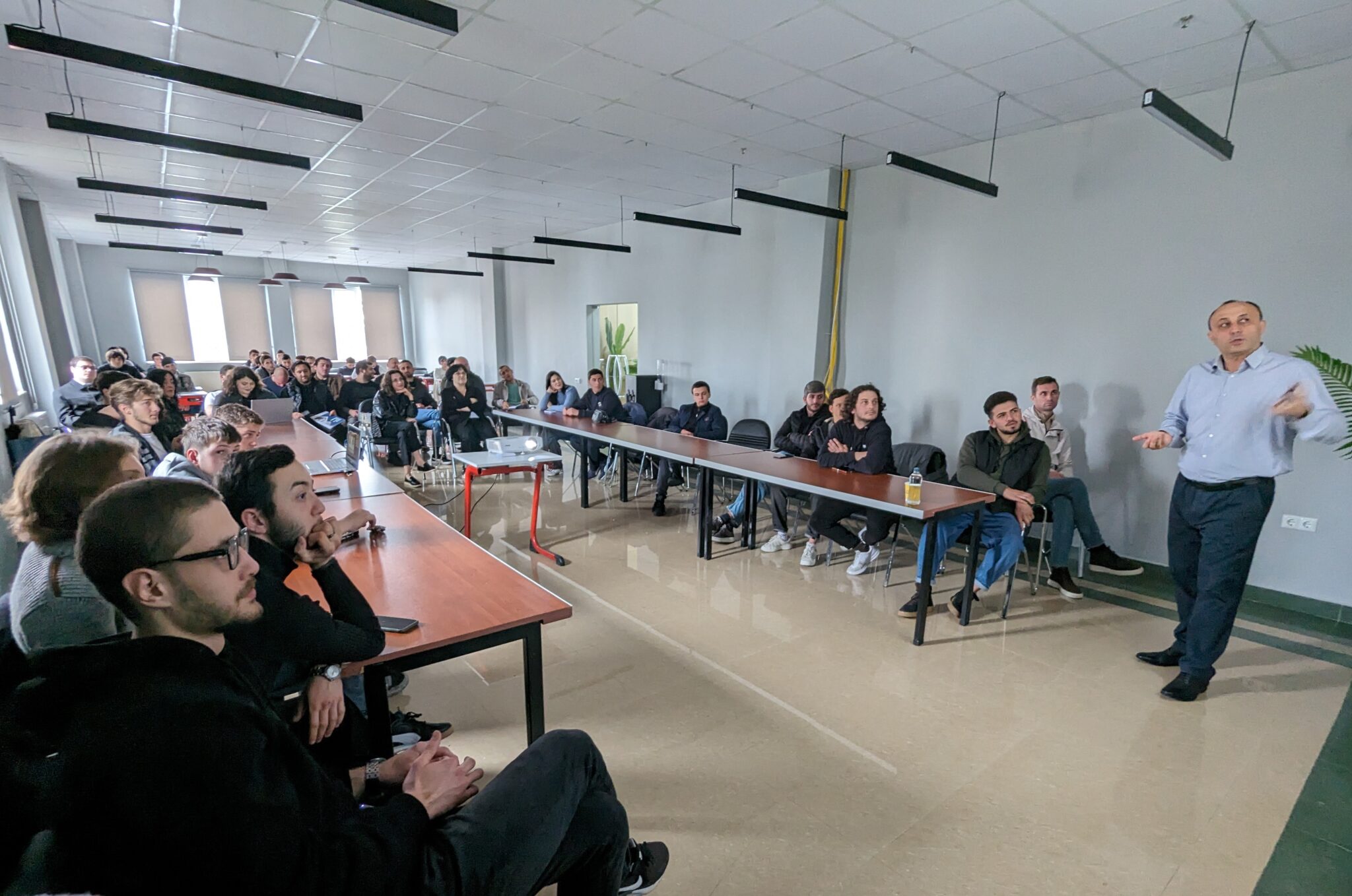
Theoretical learning environments A and B are intended for conducting lectures, discussions, presentations and learning activities. In these spaces, vocational students acquire the theoretical knowledge provided by the programme, become familiar with field-specific topics and participate actively in the learning process.
The classrooms provide a comfortable and well-organized environment where both individual and group work can be carried out. The theoretical learning environment supports student engagement, better understanding of the learning material and the development of the foundations of professional competencies.
Read More
Practical Training Environment C
Practical Training Environment C is designed for the development of professional skills and the performance of practical exercises. In this space, students apply the theoretical knowledge they have acquired in practice and master the actions necessary for their professional activities.
Environment C supports students’ active participation, instructor-supervised learning and the acquisition of practical experience in safe conditions. Practical training is particularly important for developing professional readiness, responsibility and the ability to perform work processes correctly.
Read More