
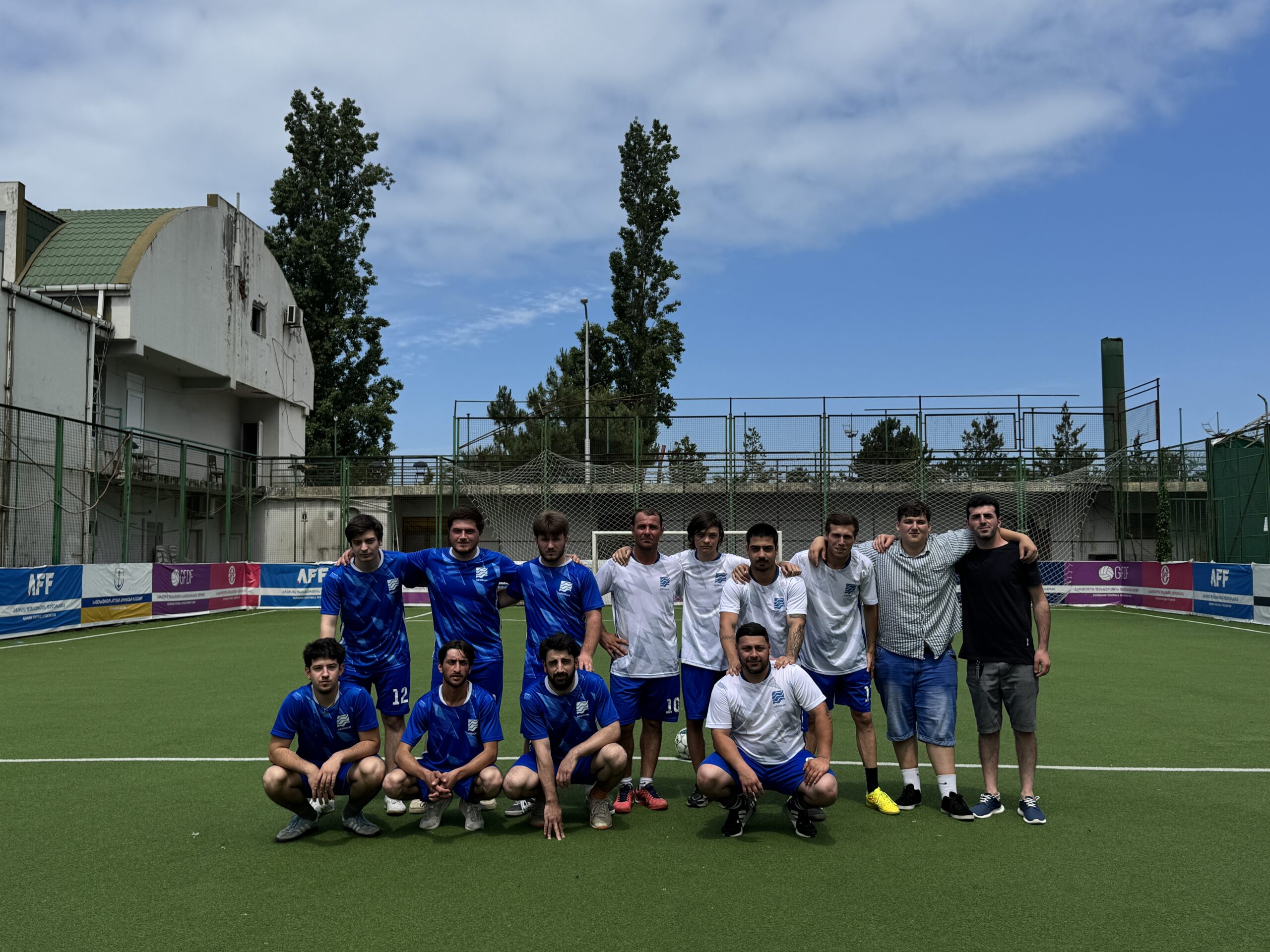
Internal Football Tournament
An internal football tournament was successfully held at Meridian College, where students actively participated and had the opportunity to demonstrate their skills and abilities.
Read More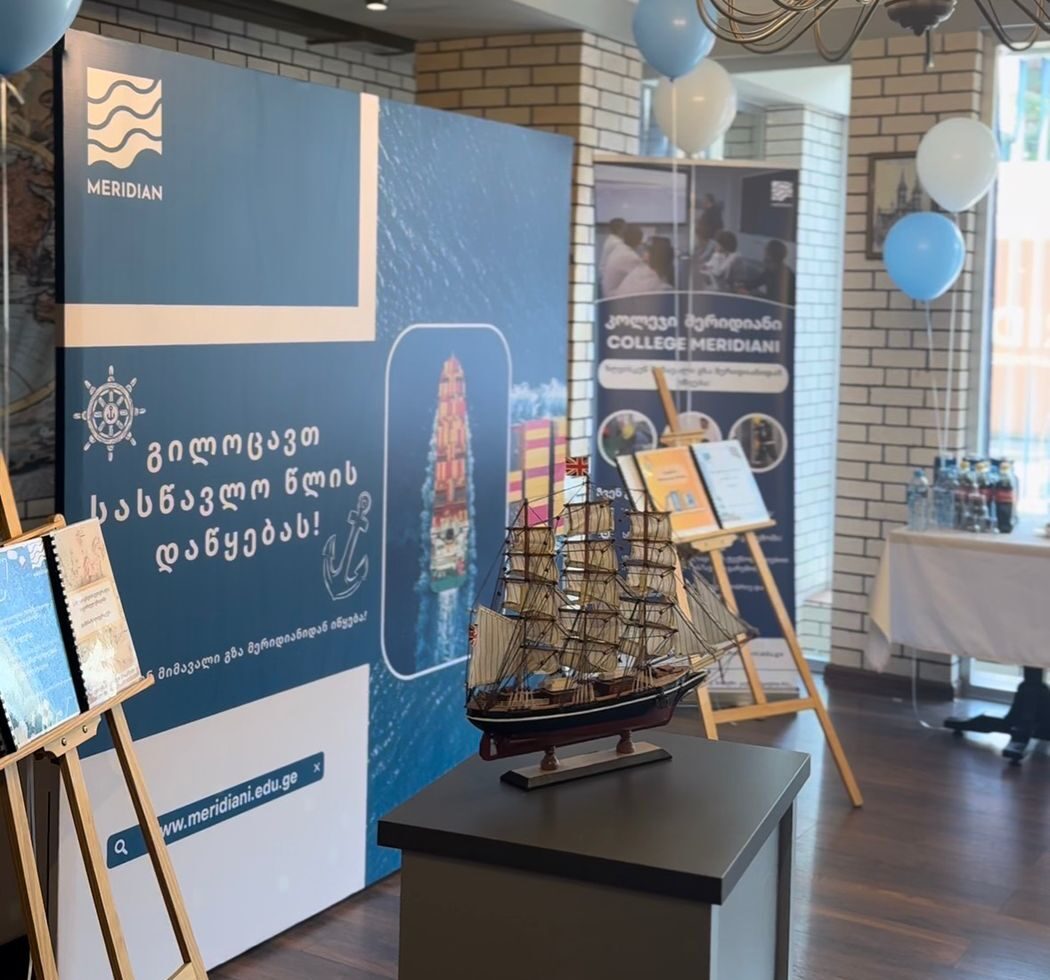
Student Recreation Area
The student recreation area is intended for students and trainees to rest, communicate and engage in informal interaction between learning activities. This environment contributes to the creation of a friendly, supportive and comfortable atmosphere.
The recreation area gives students the opportunity to relax, communicate with one another, plan learning activities and feel part of the College’s overall environment. The availability of comfortable support spaces is important both for the quality of the learning process and for students’ everyday experience.
Read More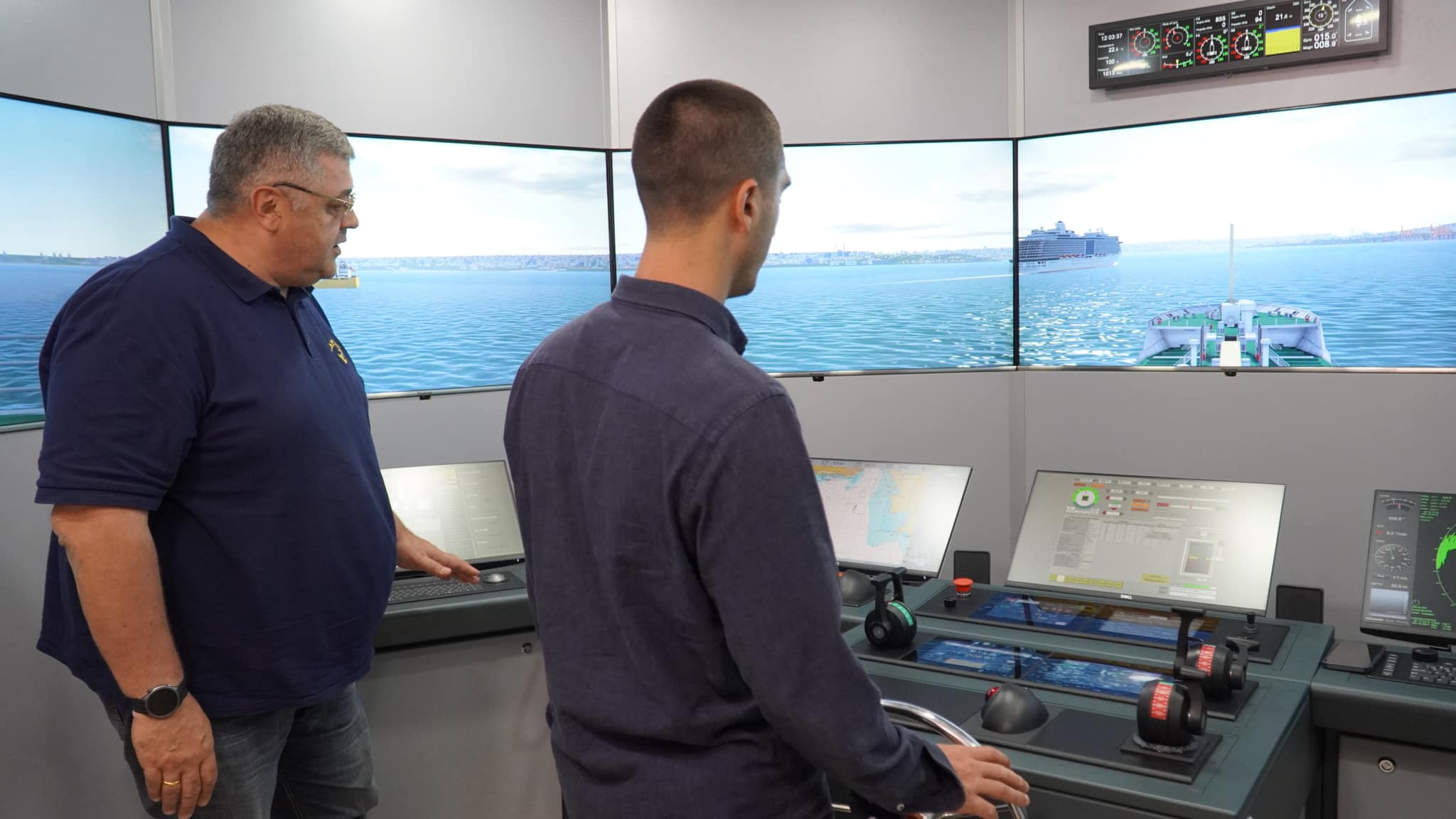
Simulation-Based Learning Space
The simulation-based learning space is one of the College’s important learning environments, where teaching is carried out in conditions close to real working situations. Simulation-based learning gives students the opportunity to develop decision-making, observation, analysis and professional action skills in a safe environment.
This space supports the understanding of practical cases, the analysis of mistakes and the development of proper professional behaviour. Simulation-based learning is particularly effective in areas where prior preparation for real situations and the consistent performance of actions are essential.
Read More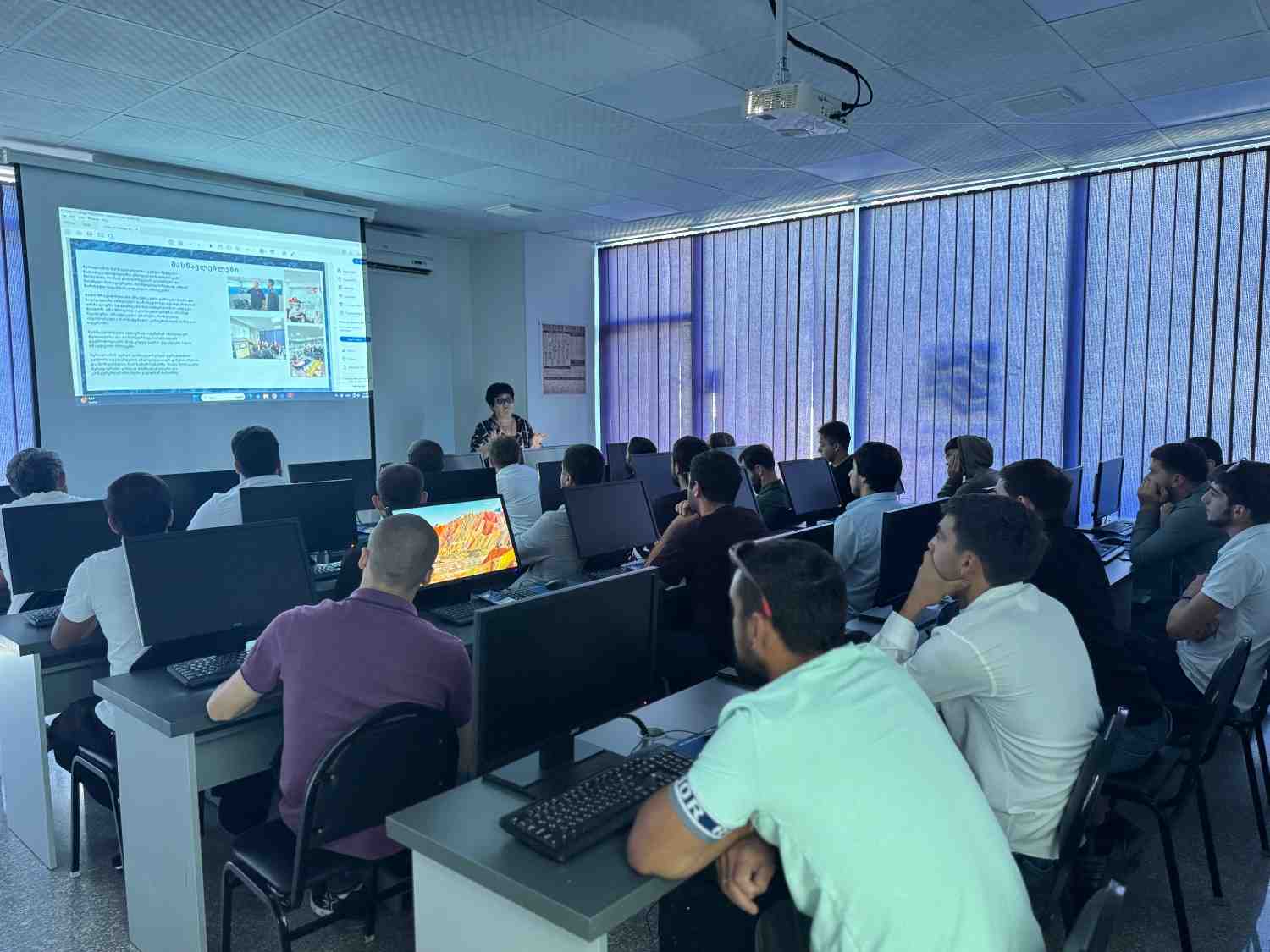
Theoretical Learning Environments A and B
Theoretical learning environments A and B are intended for conducting lectures, discussions, presentations and learning activities. In these spaces, vocational students acquire the theoretical knowledge provided by the programme, become familiar with field-specific topics and participate actively in the learning process.
The classrooms provide a comfortable and well-organized environment where both individual and group work can be carried out. The theoretical learning environment supports student engagement, better understanding of the learning material and the development of the foundations of professional competencies.
Read More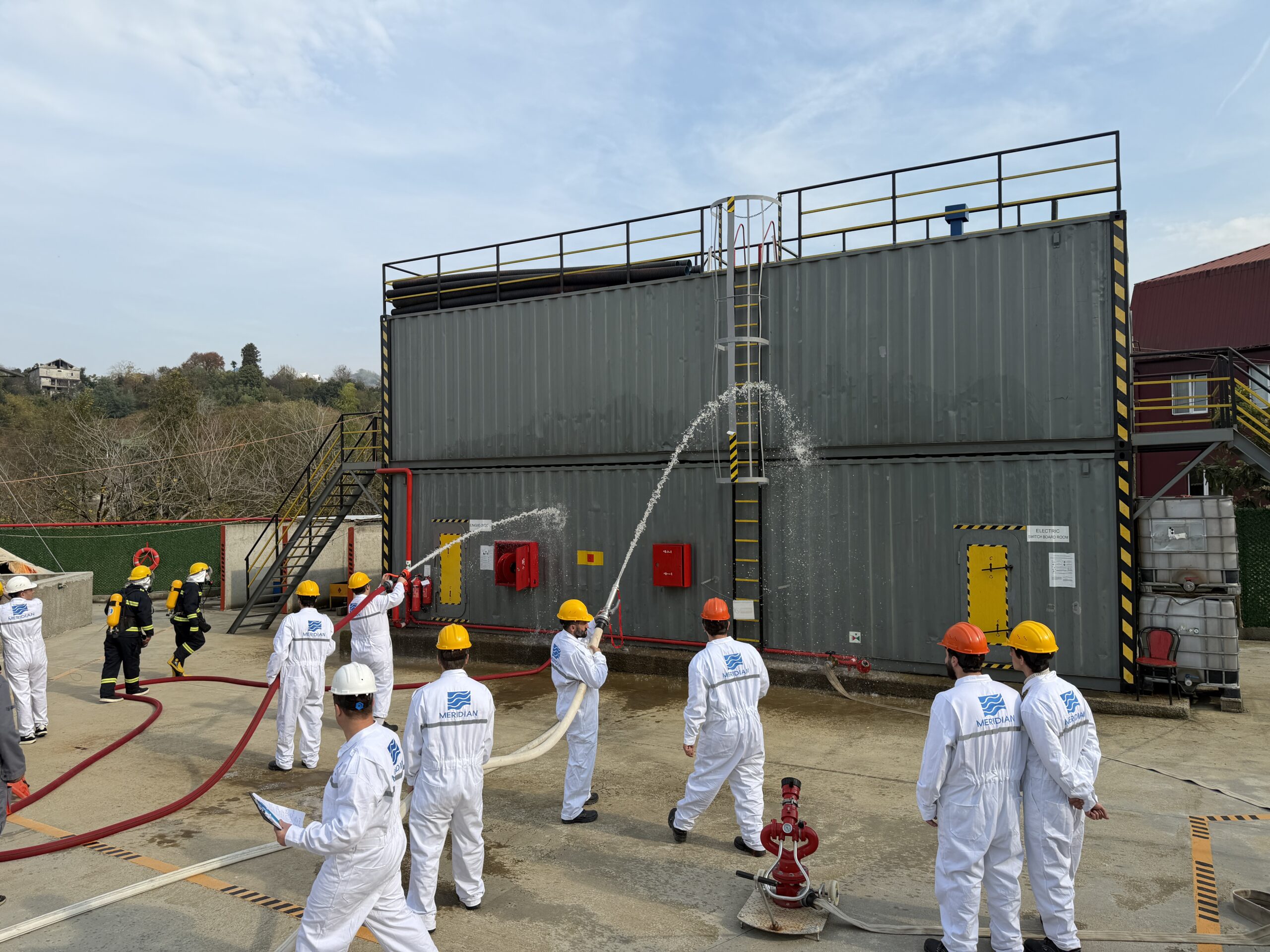
Practical Training Environment C
Practical Training Environment C is designed for the development of professional skills and the performance of practical exercises. In this space, students apply the theoretical knowledge they have acquired in practice and master the actions necessary for their professional activities.
Environment C supports students’ active participation, instructor-supervised learning and the acquisition of practical experience in safe conditions. Practical training is particularly important for developing professional readiness, responsibility and the ability to perform work processes correctly.
Read More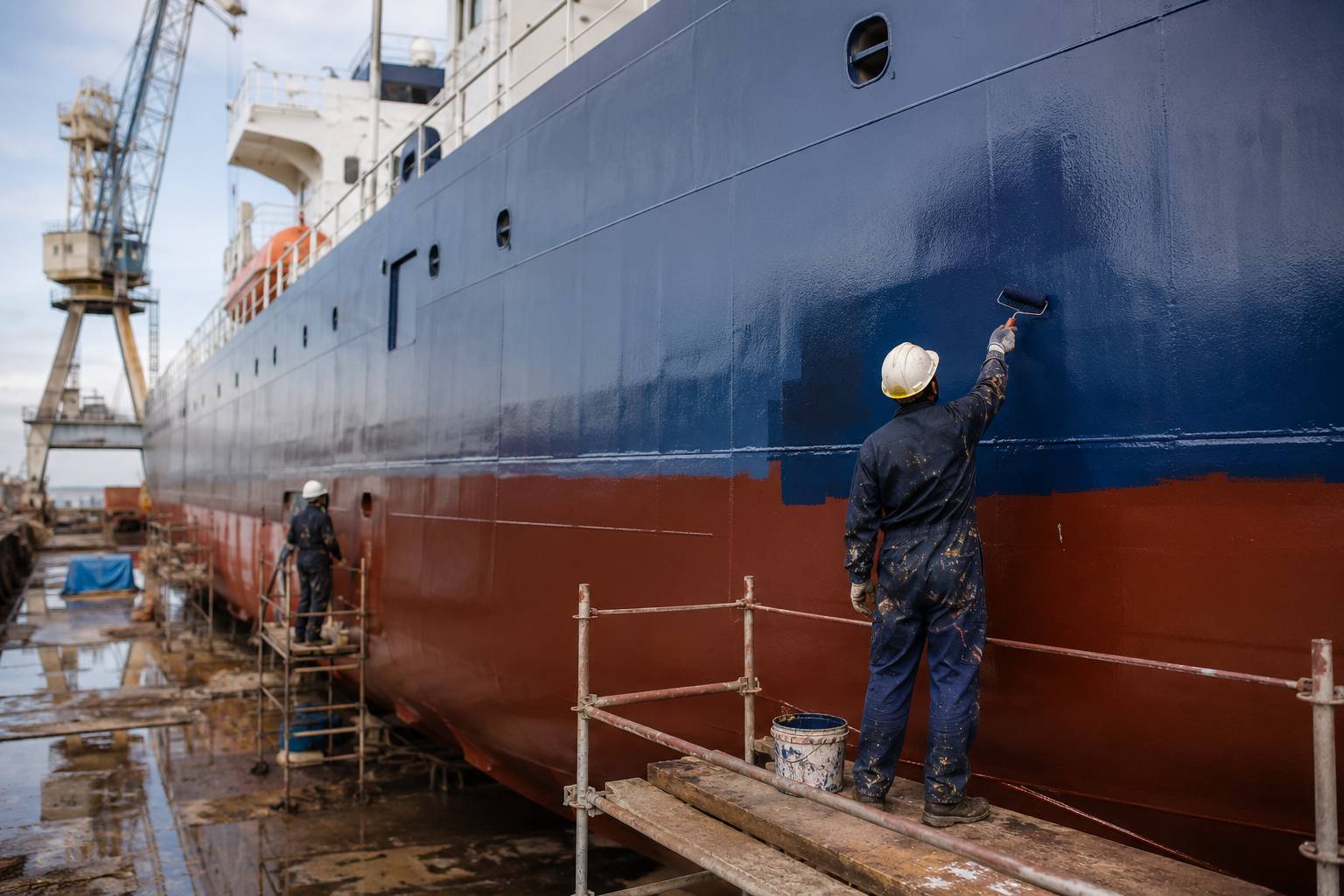
Ship Maintenance and Painting
This module introduces students to the basic principles of ship maintenance, cleaning and painting works. During the learning process, the rules for maintaining the ship’s hull, deck, spaces and equipment are discussed. Students learn the purpose and safe operation of deck machinery, systems and equipment.
The module covers preventive inspection, identification of defects and minor repair works. Particular attention is paid to the prevention of corrosion, mechanical wear and other technical damage. Students become familiar with rigging works, knot tying, and the maintenance and use of ropes.
An important part of the module is the planning of painting works on board, surface preparation and the selection of appropriate materials. Students learn how to use paints, primers, solvents and Safety Data Sheets. The practical component supports the proper organization of the workplace and the use of personal protective equipment.
Upon completion of the module, students are able to participate safely and effectively in ship maintenance and preservation works.
Read More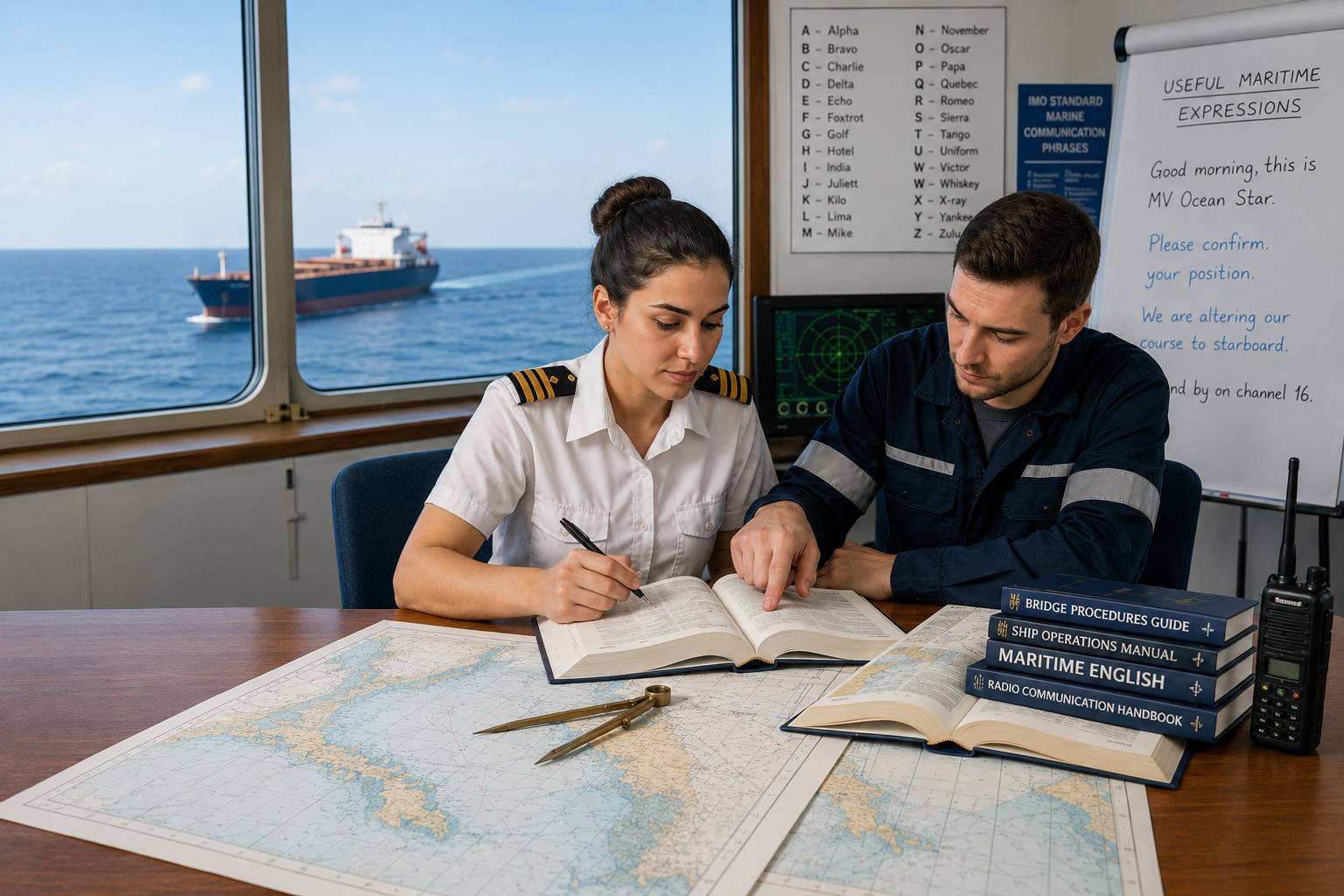
Specialized English
This module develops the maritime English communication skills required for a deck rating. Students learn to use IMO Standard Marine Communication Phrases (SMCP) in professional situations. The module covers terminology related to deck equipment, the ship’s bridge, deck operations and safety.
Students develop oral communication skills by answering questions, understanding orders and responding appropriately. During the learning process, students read, translate and explain the content of technical texts required for the duties of a rating. Students also learn to identify IMO maritime safety symbols, signal signs and specific technical terms.
The module includes elements of written communication and the preparation of short texts on professional topics. Particular attention is paid to English terms related to first aid, lifesaving appliances and firefighting equipment. Practical exercises help students develop clear and standardized communication skills for real maritime situations.
Upon completion of the module, students are able to understand, convey and use basic professional information in English.
Read More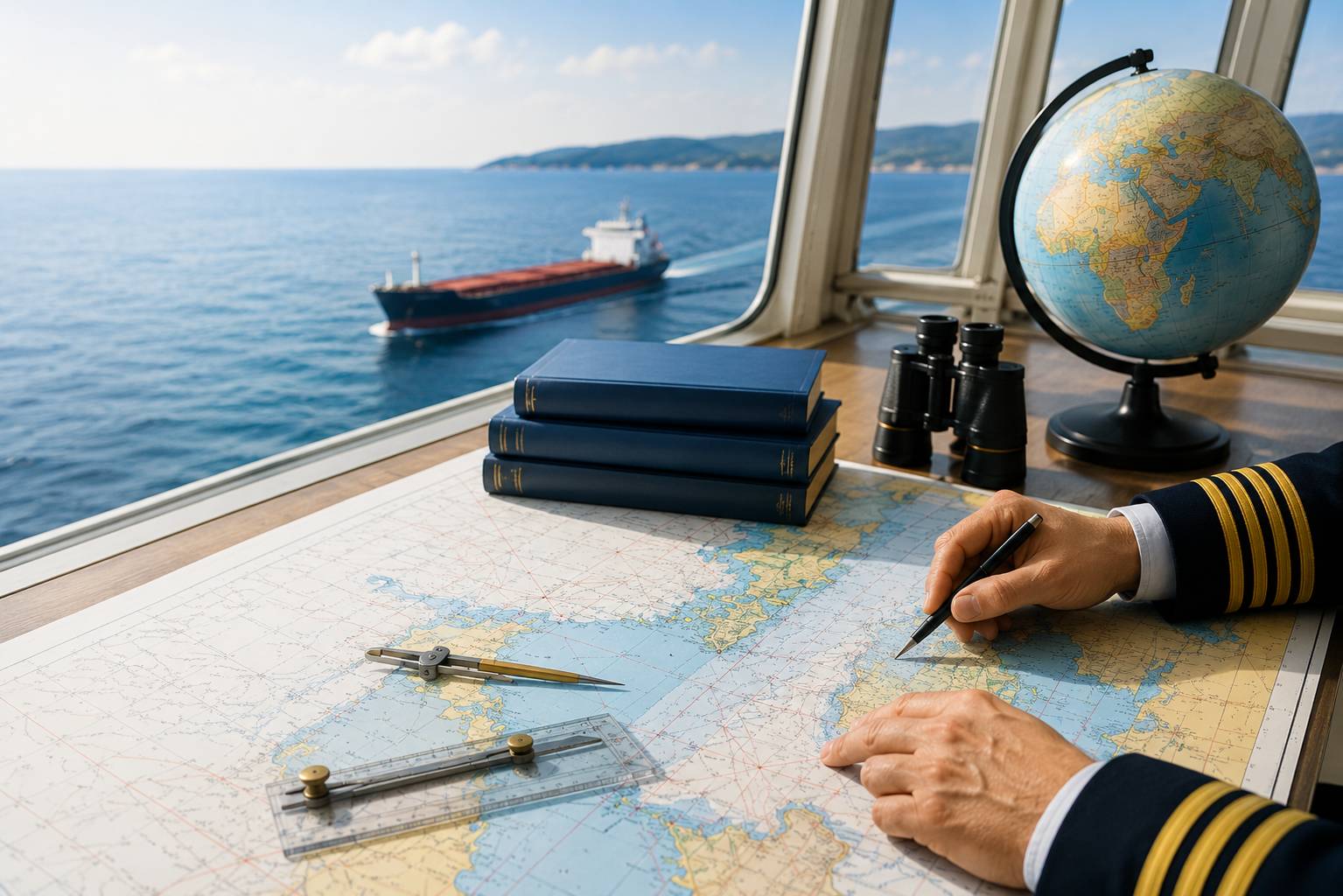
Geography of Maritime Routes
This module introduces students to the world’s maritime routes, oceans, seas, straits, canals and navigable rivers. Students learn about the geographical characteristics of maritime basins and their importance in international navigation. The module helps students understand the purpose of straits and canals in the movement of ships. During the learning process, typical hydrometeorological phenomena occurring in oceans and seas are discussed.
Students become familiar with major ports around the world, their functions and differences in terms of cargo turnover. The module also includes an introduction to the ports of Georgia and an assessment of their role in maritime transport. Students learn to connect different types of vessels with the purposes of ports.
The practical component includes identifying oceans, seas, straits, canals, ports and rivers on a map. The module develops students’ skills in spatial orientation, working with maps and understanding maritime routes. Upon completion of the module, students are able to geographically identify the main maritime routes and important ports.
Read More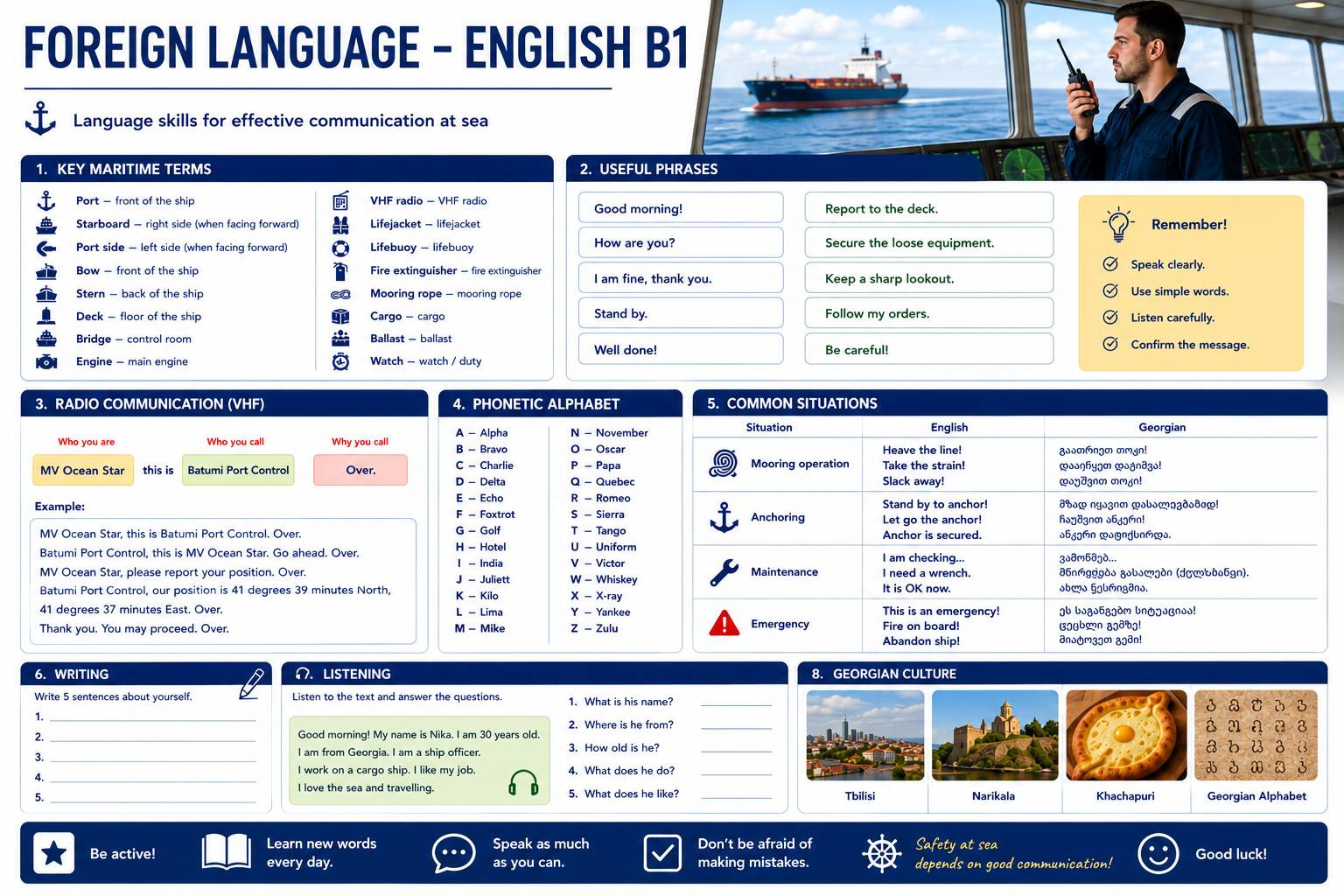
Foreign Language – English
This module develops students’ basic communication skills in English on everyday and professional topics. Students learn to participate in dialogues and discussions, express their opinions clearly and answer questions. The module covers the development of listening, speaking, reading and writing skills through the use of materials appropriate to the relevant level.
Students become familiar with polite forms of communication, everyday vocabulary, simple language structures and professional terminology. The learning process includes role plays, situational conversations, audio-visual materials and practical assignments. Students learn to listen to and understand information received in a foreign language and to convey important details.
The module includes reading and understanding texts, identifying the main idea and summarizing the information received. Students develop the ability to write short texts, personal correspondence and simple notes on professional topics. Particular attention is paid to communication culture and the practical use of the language in real-life situations.
Upon completion of the module, students are able to communicate in English in a simple, clear and purposeful manner in everyday and professional environments.
Read More