

A Vocational Student Has the Following Rights
- A student has the right to receive quality education, actively participate in the theoretical and practical learning process, and use the College’s learning resources, including the library, information systems and other supporting facilities.
- A student may receive complete information about their rights, the educational programme and the learning process, freely express their opinion in the academic environment and, where necessary, apply to the College administration.
- A student also has the opportunity to participate in the planning of an individual learning plan, the evaluation of the learning process and activities aimed at improving quality.
Violation of General Ethical Rules
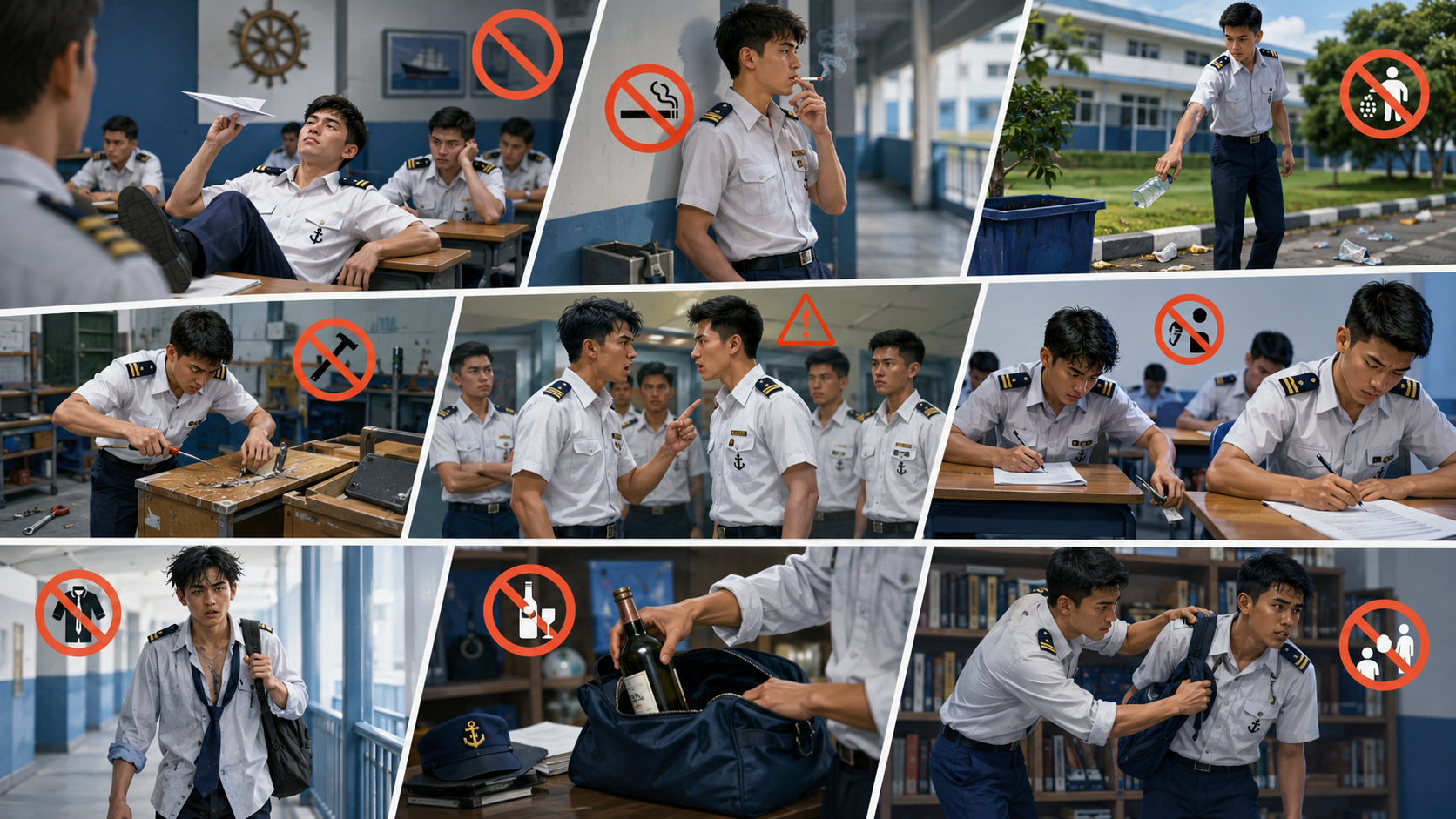
- A violation of ethical rules shall be considered any conduct that interferes with the learning process, damages the College environment or property, or infringes upon the rights and safety of another person.
- A student must not damage or pollute the College premises, inventory or learning resources; must not use offensive language; and must not cause noise, conflict or exert pressure on another person.
- It is prohibited to bring into the College, use, or appear under the influence of alcohol, tobacco, narcotic or psychotropic substances. It is also prohibited to bring weapons onto the College premises, participate in gambling, or take another person’s belongings without permission.
- Violation of examination rules, dissemination of false information, unauthorized removal or destruction of College documentation, as well as appearing at the College in clothing or with behaviour that is inappropriate for the learning environment, shall also be considered a violation of ethical rules.

Disciplinary Responsibility
- Disciplinary liability may be applied if a student violates the College rules, ethical standards, applicable legislation or interferes with the normal course of the learning process.
- In the case of a disciplinary offence, a warning may be issued to the student or, where material damage has occurred, compensation for the damage may be required.
- In other cases, the decision shall be made by the Director of the College, in accordance with established procedures and based on an individual assessment of each case.
A Vocational Student Has the Following Obligations
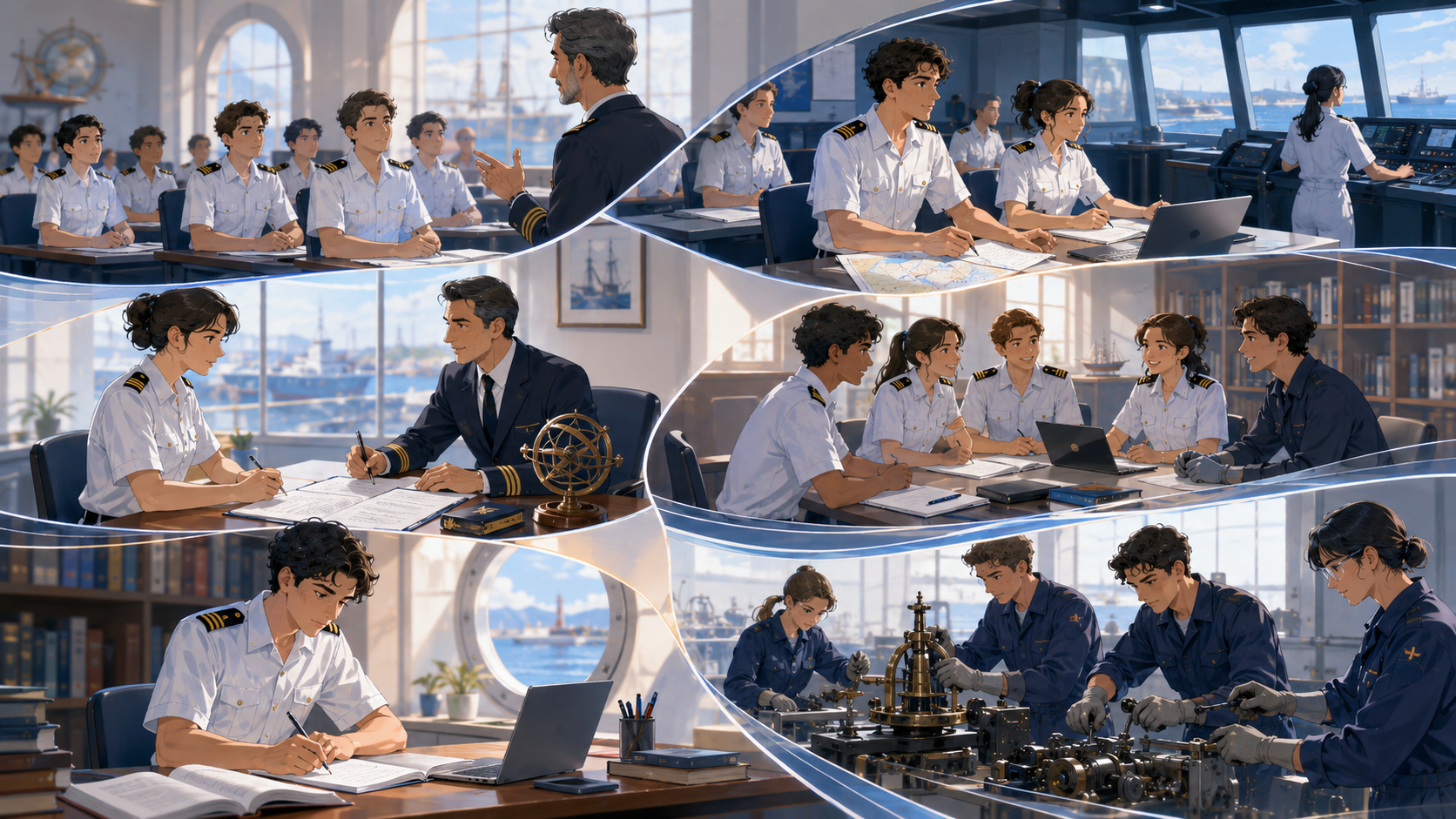
- A student is obliged to comply with the College’s rules, internal regulations, the terms defined by the learning agreement and the requirements of the educational programme.
- A student must respect the rights and interests of others, act with academic integrity and refrain from plagiarism.
- A student is also obliged to take care of the infrastructure and material resources of the College and the practical training site, and to contribute to maintaining the College’s positive image and reputation.

Violations of Ethical Rules in the Educational Process
- A violation of ethical rules in the learning process shall include plagiarism, presenting another person’s work as one’s own, stealing, altering or destroying another student’s work.
- It is prohibited to assist another student in academic misconduct, take an examination on behalf of another person, falsify identity or distribute examination materials without authorization.
- Putting pressure on a teacher or the administration in order to receive an assessment, altering already submitted work without authorization, and falsifying or submitting incomplete documentation to the College shall also be considered violations of ethical rules
Transformation of Vocational Education in the Global Era
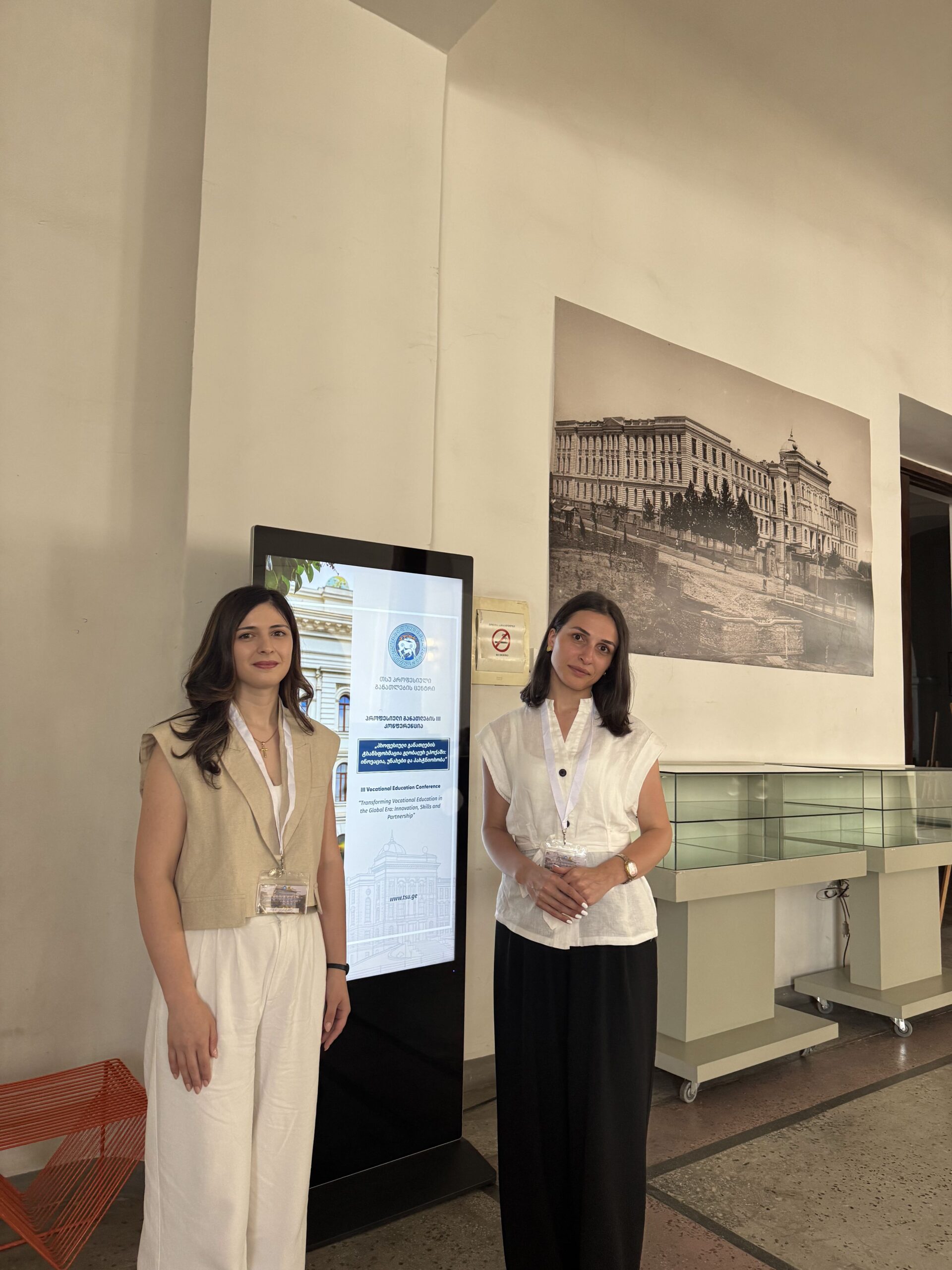
Representatives of Meridian College participated in the 3rd International Conference on Vocational Education — “Transformation of Vocational Education in the Global Era: Innovation, Skills and Partnership”, organized by the Vocational Education Center of Ivane Javakhishvili Tbilisi State University.
The event brought together representatives of the vocational education sector, international partners, and experts, who discussed current trends in the development of vocational education, the implementation of innovative approaches, the development of skills aligned with labor market demands, and the strengthening of partnerships.
For the representatives of Meridian College, participation in the conference provided an important opportunity to exchange international experience, explore new professional perspectives, and strengthen prospects for future cooperation.
Read More
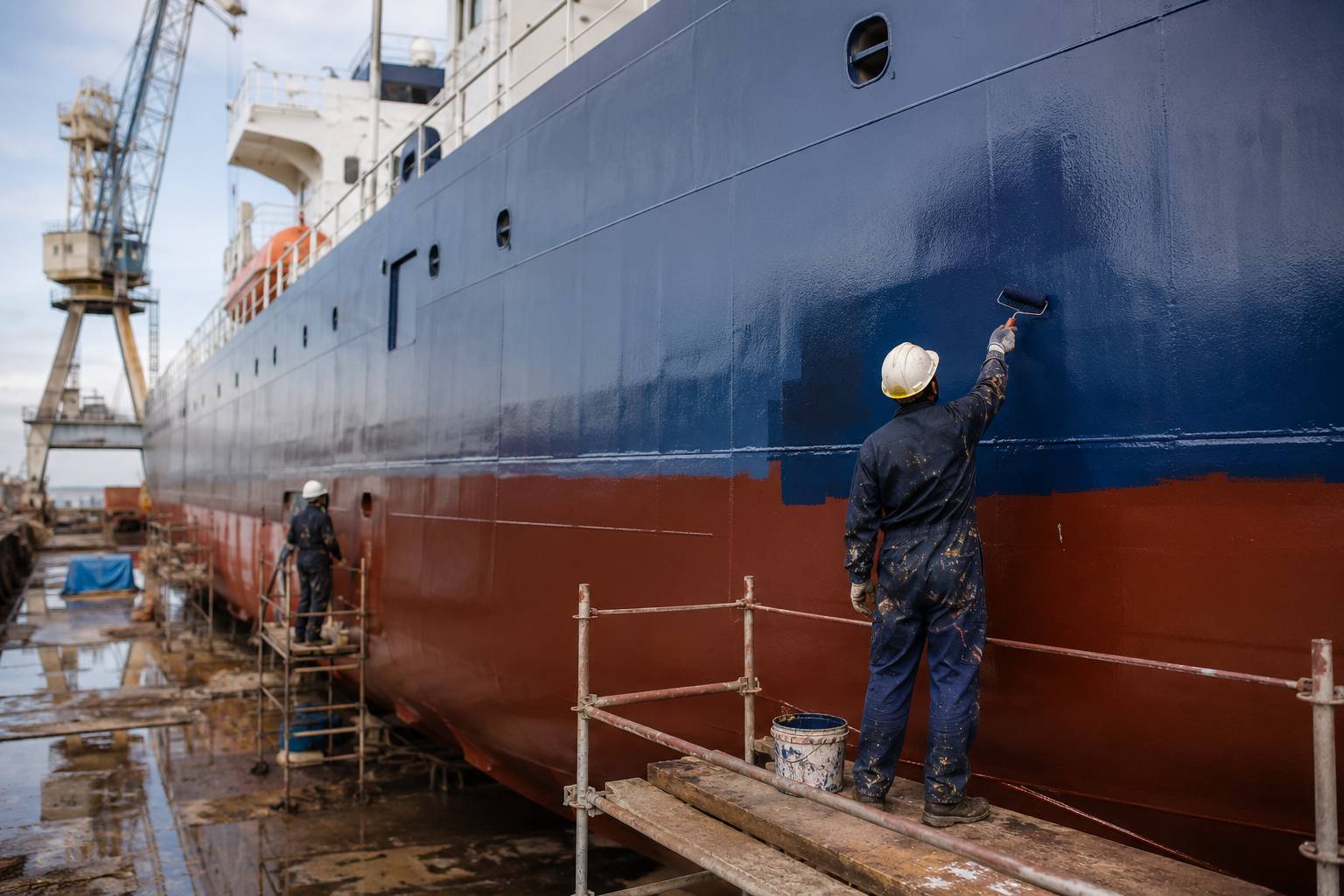
Ship Maintenance and Painting
This module introduces students to the basic principles of ship maintenance, cleaning and painting works. During the learning process, the rules for maintaining the ship’s hull, deck, spaces and equipment are discussed. Students learn the purpose and safe operation of deck machinery, systems and equipment.
The module covers preventive inspection, identification of defects and minor repair works. Particular attention is paid to the prevention of corrosion, mechanical wear and other technical damage. Students become familiar with rigging works, knot tying, and the maintenance and use of ropes.
An important part of the module is the planning of painting works on board, surface preparation and the selection of appropriate materials. Students learn how to use paints, primers, solvents and Safety Data Sheets. The practical component supports the proper organization of the workplace and the use of personal protective equipment.
Upon completion of the module, students are able to participate safely and effectively in ship maintenance and preservation works.
Read More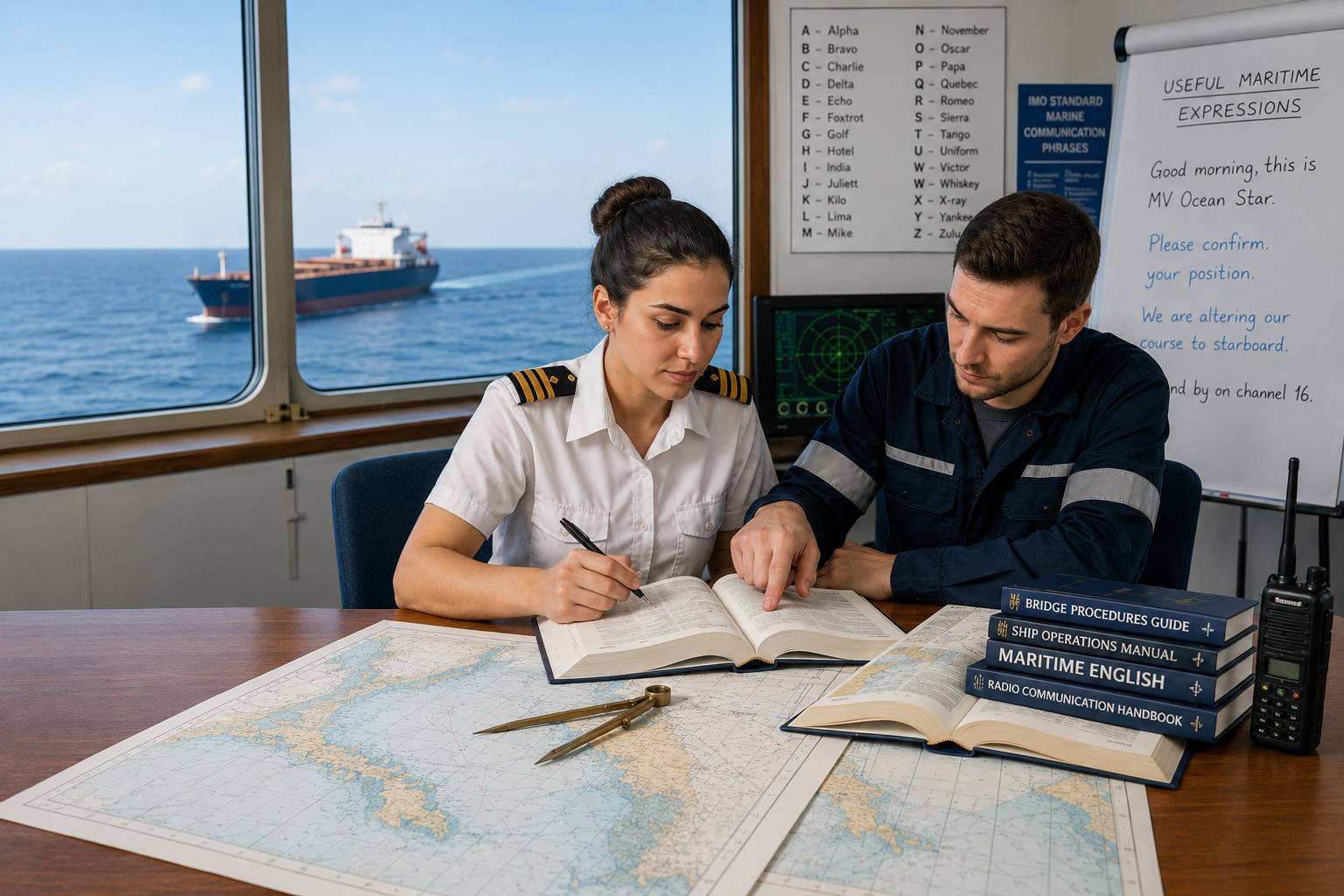
Specialized English
This module develops the maritime English communication skills required for a deck rating. Students learn to use IMO Standard Marine Communication Phrases (SMCP) in professional situations. The module covers terminology related to deck equipment, the ship’s bridge, deck operations and safety.
Students develop oral communication skills by answering questions, understanding orders and responding appropriately. During the learning process, students read, translate and explain the content of technical texts required for the duties of a rating. Students also learn to identify IMO maritime safety symbols, signal signs and specific technical terms.
The module includes elements of written communication and the preparation of short texts on professional topics. Particular attention is paid to English terms related to first aid, lifesaving appliances and firefighting equipment. Practical exercises help students develop clear and standardized communication skills for real maritime situations.
Upon completion of the module, students are able to understand, convey and use basic professional information in English.
Read More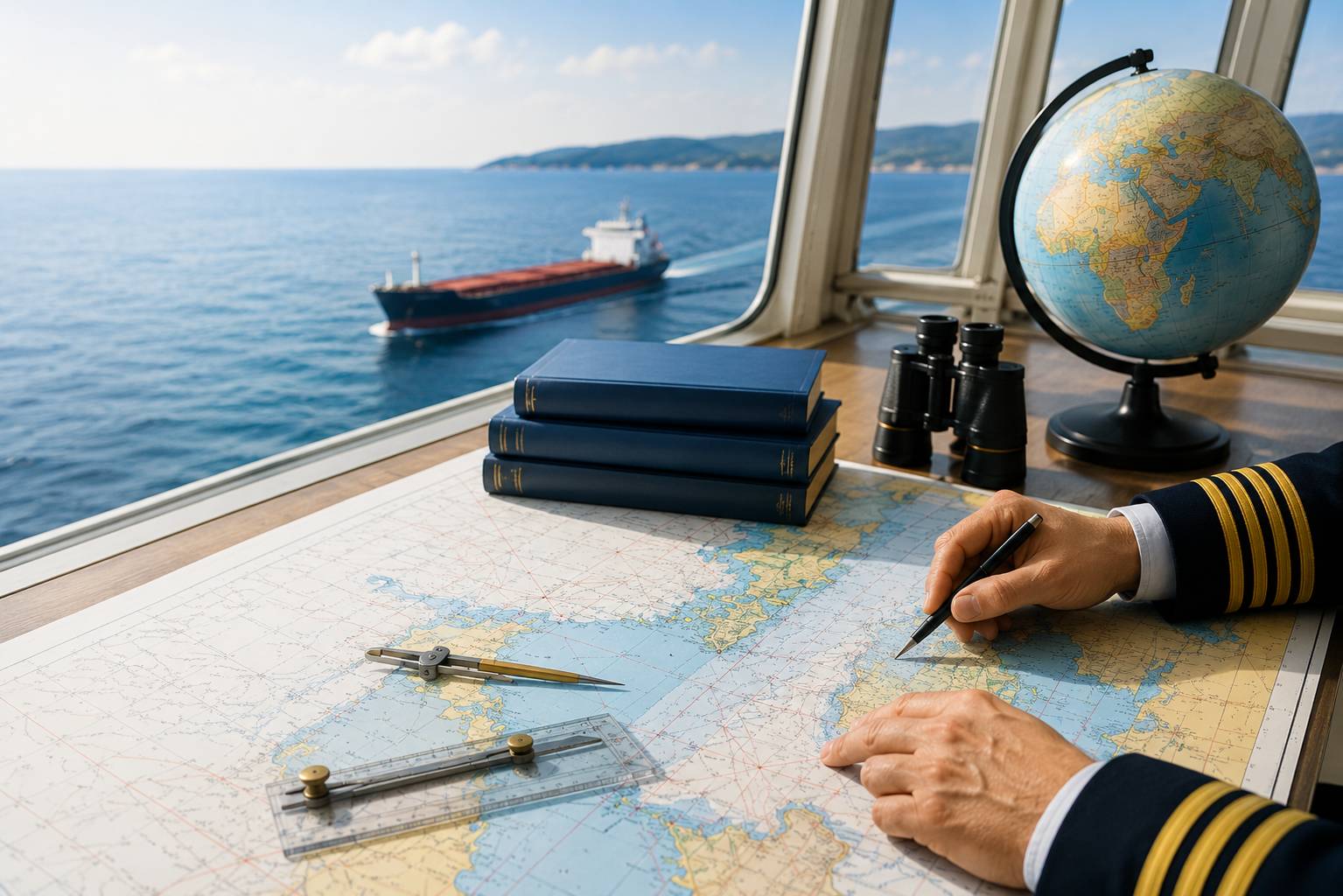
Geography of Maritime Routes
This module introduces students to the world’s maritime routes, oceans, seas, straits, canals and navigable rivers. Students learn about the geographical characteristics of maritime basins and their importance in international navigation. The module helps students understand the purpose of straits and canals in the movement of ships. During the learning process, typical hydrometeorological phenomena occurring in oceans and seas are discussed.
Students become familiar with major ports around the world, their functions and differences in terms of cargo turnover. The module also includes an introduction to the ports of Georgia and an assessment of their role in maritime transport. Students learn to connect different types of vessels with the purposes of ports.
The practical component includes identifying oceans, seas, straits, canals, ports and rivers on a map. The module develops students’ skills in spatial orientation, working with maps and understanding maritime routes. Upon completion of the module, students are able to geographically identify the main maritime routes and important ports.
Read More